


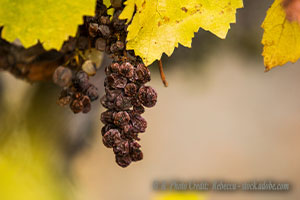
American wine sales have collapsed to their lowest level in more than two decades. The cause is younger drinkers who never developed the cultured habit of appreciating wine.
For decades, wine culture rewarded patience, aeration, and the ability to discern aromas. Connoisseurs discussed tannins and terroir and pondered pairing a bottle with a shared meal. Gen Z and many millennials have opted out of this tradition, viewing it as “stodgy,” overly complicated, and out of step with how they socialize.
A 2022 Nielsen report found that 45 percent of adults in Gen Z who were over age 21 had never consumed alcohol. As a result, industry veteran Rob McMillan has predicted a 20 percent decline in U.S. wine consumption over the next decade.
Sommelier Ting Shi, who works in Chicago, notes that for many young people, drinking has shifted from a routine, habitual pleasure—a glass with dinner, a beer after work—to an occasional, purposeful choice reserved for specific events, which naturally reduces overall volume, even among those who still drink.
Pinot Noir’s Rise, Fame and Fall
No varietal illustrates the swing in fortune better than Pinot Noir. The 2004 film Sideways follows a wine drinker who eulogizes the grape’s “thrilling and subtle” character while dismissing merlot as “swill.” The movie sparked a pinot noir boom across California, prompting growers to plant the finicky grape wherever they could find suitable land.
With youth drinking on the decline, this boom has now become a bust. Pinot noir requires exactly the kind of appreciation that younger drinkers increasingly resist. It is a delicate, temperamental grape, difficult and expensive to grow, and the resulting wine is typically marketed for nuance—subtle fruit notes, earthy undertones, the “right” food pairing—rather than for immediate gratification and easy enjoyment. It is Burgundy’s shining gem, with traditional vineyards dating back to pre-Christian times and producing the best pinot noirs in the world.
Younger consumers who want something they “can drink out of a camping mug” have gravitated toward chilled reds, natural and orange wines, or have skipped wine altogether in favor of canned cocktails, hard seltzers and nonalcoholic alternatives. Wine retailer Adriana Fabbro still recommends pinot noir as an easy, crowd-pleasing gift wine, but notes that its higher price puts it out of reach for many younger, budget-conscious buyers, reinforcing the perception that wine is an out-of-touch luxury rather than an everyday pleasure.
Tradition as a Barrier, Not an Attraction
Indeed, many younger consumers simply don’t see the value in learning the traditions surrounding wine. Where earlier generations treated understanding a wine list or a proper tasting as something worth cultivating, younger drinkers increasingly view that learning curve as an unnecessary barrier to immediate sensory delight rather than as an enticing intellectual skill of discernment.
Research from The Economist and The International Wine and Spirits Record (IWSR) suggests that wine’s decline reflects something broader than taste: a shift away from the slow, communal sit-down meals that wine was built around, as more people in wealthy countries live and eat alone. IWSR researcher Richard Halstead notes that wine is the only major alcohol category losing ground across every price tier, while spirits and beer sales are holding up or growing—suggesting this is a wine-specific cultural rejection, not the result of generational sobriety.
Cost compounds the cultural gap. Surveys cited by PureWow found that Gen Z is increasingly priced out of drinking at bars and restaurants altogether, as $20 cocktails and correspondingly priced wine lists push young adults toward cheaper alternatives or abstinence.
The picture is of a shrinking, divided market—a smaller core of younger drinkers experimenting with natural and low-quality wines, alongside a much larger group tuning out wine entirely because they were never taught or never wanted to learn how to appreciate them and why it’s supposed to matter.
China’s Alcohol Crackdown Delivers a Second Blow
Youth indifference to wine is not the only threat the industry faces.
Another severe blow to wine came in May 2025, when Beijing issued sweeping new “Regulations on Practicing Thrift and Opposing Waste,” banning alcohol, high-end dishes, and cigarettes from all official working meals and closing loopholes that had allowed agencies to disguise hospitality spending as meetings or training sessions.
The fallout has rippled across the global wine trade. Treasury Wine Estates, one of the world’s largest wine companies, disclosed in December that it held roughly $150 million in unsold inventory in Chinese warehouses and has since moved to cut shipments and reduce stock over the next two years.
Two Crises, One Shrinking Market
The convergence of these two forces—a generational retreat from wine’s traditions in the West and a communist-driven collapse in Chinese demand—has left the global wine industry with no room to grow. Global wine consumption fell to its lowest level in more than six decades in 2024, down 2.6 percent from the prior year, according to the International Organization of Vine and Wine.
California wineries have responded by ripping out tens of thousands of acres of vines, including pinot noir plantings that once defined the post-Sideways boom. Producers in Bordeaux, Napa, and Australia are leaving ripe grapes unharvested because no buyer is willing to pay for them.
For wine to recover, the industry needs to solve both problems at once: making the case to younger drinkers that the tradition of appreciating wine is worth learning, while diversifying away from the disastrous Chinese market, which has proven vulnerable to Beijing’s central planning.
Until then, the collapse of casual, everyday wine culture among the young and Xi’s supposed “austerity” campaign is compounding pressures on an industry that spent centuries building its fortunes on what Christian civilization perfected—swirling a glass and sharing a bottle at dinner. This cultured behavior is increasingly out of step with how young people around the world appreciate the sublime drink known as wine.
Photo Credit: © Rebecca – stock.adobe.com
First Published on TFP.org